
Emergency Storm Cleanup
72 Hour Storm Cleanup Plan for Homeowners: Safety First Steps
Put safety first, always. Call 911 for injuries or active hazards, and never approach downed power lines. If it’s safe to move around your property, photograph the damage, stop active water intrusion with tarps or plastic sheeting, and board up broken windows or doors. Beyond small, safe debris, hire licensed, insured crews for anything involving trees on structures, standing water, or electrical risk.
TL;DR:
- Always document damage with photos and videos before starting cleanup to support insurance claims and avoid deducting damage from settlement offers.
- Call licensed, insured professionals immediately for hazards involving downed power lines, active water leaks, or sewage backups to ensure safety and proper handling.
- Speedy water removal is crucial; use moisture meters and industry-standard drying practices to prevent mold growth within the first 72 hours.
- Proper safety gear, including gloves, masks, and sturdy boots, is essential for debris removal, and never work alone or near downed wires without expert help.
- Costs vary widely based on debris volume, hazardous materials, and equipment needs; keeping detailed records and obtaining a proper estimate helps protect your finances.
Table of Contents
- Immediate Safety Checks Before You Start Emergency Storm Cleanup
- What Should You Do in the First 72 Hours After a Storm?
- When Should You Call Emergency Storm Cleanup Contractors?
- How Fast Do You Need to Dry Out Water Damage?
- How Do You Handle Downed Power Lines, Gas, and Sewage Safely?
- How Much Does Emergency Storm Cleanup Cost?
- What Supplies Should You Have Ready for a Cleanup Crew?
- A Practitioner’s Take on Storm Cleanup Mistakes
- Fast, Insured Debris Removal When You Need It Most
- Sources
- FAQ
Immediate Safety Checks Before You Start Emergency Storm Cleanup
Before you touch a single branch or soggy box, gear up right. The wrong pair of shoes or a skipped mask turns a bad day into a trip to urgent care, and storm debris hides sharp metal, broken glass, and nails almost every time.
Here’s what you need on your body before you start any post-storm debris removal:
- Heavy work gloves (leather or thick rubber, not gardening gloves)
- Eye protection, especially when cutting branches or clearing insulation
- An N95 mask or better, since mold spores and dust are common after flooding
- Sturdy, thick-soled boots, not sneakers or sandals
- Long sleeves and long pants, even in summer heat
Before touching debris, walk the perimeter and check for gas odors, sagging rooflines, cracked foundations, and any wires on the ground. Keep kids and pets inside until you’ve cleared the immediate area. Extension safety guidance recommends covering exposed skin and using proper footwear specifically because storm debris cleanup injuries spike in the days right after a disaster.
Pro Tip: Never clean up alone. Work with a partner, keep a charged phone within reach, and check in with each other every 15 to 20 minutes, especially near standing water or unstable structures.
What Should You Do in the First 72 Hours After a Storm?
The first three days set the tone for everything that follows, including your insurance payout. Rushing debris removal before you document the damage is one of the costliest mistakes homeowners make.
-
Confirm safety and call for help if needed. If anyone is hurt, or you smell gas, see sparking wires, or notice structural sagging, call 911 or your utility company before doing anything else.
-
Document everything before you move a thing. Walk through with your phone and photograph or video every room, every damaged item, and the exterior from multiple angles. FEMA’s disaster cleanup safety guidance specifically recommends documenting damage and contacting your insurer early, since photos taken after cleanup starts carry far less weight with adjusters.
-
Stabilize the structure. Tarp exposed roof sections, board up broken windows, and stop any active water entry. This single step often determines the extent of your insurance claim because insurers expect homeowners to prevent further loss once damage is discovered.
-
Triage debris by what’s actually safe to move. Clear pathways and gather small, obviously safe items like loose branches or soaked cardboard. Leave heavy limbs, anything tangled with wiring, and structural debris for equipment operators.
-
Get professionals scheduled. Line up water extraction, moisture mapping, and a structural assessment as early as possible. The general sequence, emergency stabilization, damage assessment, moisture control, debris removal, then reconstruction, follows the same restoration process most contractors use, and starting late in that sequence tends to compound costs.
When Should You Call Emergency Storm Cleanup Contractors?
Some jobs simply aren’t DIY territory, no matter how capable you are with a chainsaw. Call professionals immediately when you’re dealing with a tree resting on your roof or power line, active water pouring into living space, any sign of sewage backup, or exposed wiring.
A typical emergency response crew handles:
- Tarping and board-up to stop further weather damage
- Heavy debris and tree removal, including equipment like cranes or bucket trucks
- Water extraction and moisture mapping
- Coordination with your insurance adjuster
Before hiring anyone who shows up at your curb, ask for proof of insurance and workers’ compensation, request a written scope of work with a timeline, and get time-stamped photos of the damage for your own records. Storm season brings out unlicensed operators fast, and a five-minute phone check now can save you from a lien dispute later. Roberto’s Stump Grinding has covered exactly this situation with fallen trees if a tree came down on your property.
Pro Tip: Ask any contractor for their license number and call your state’s licensing board directly, don’t just trust the business card.
How Fast Do You Need to Dry Out Water Damage?
Speed matters more than almost anything else once water gets inside. The CDC recommends drying and disinfecting affected areas within a short window, because mold colonies can establish well within that window in warm, humid conditions.
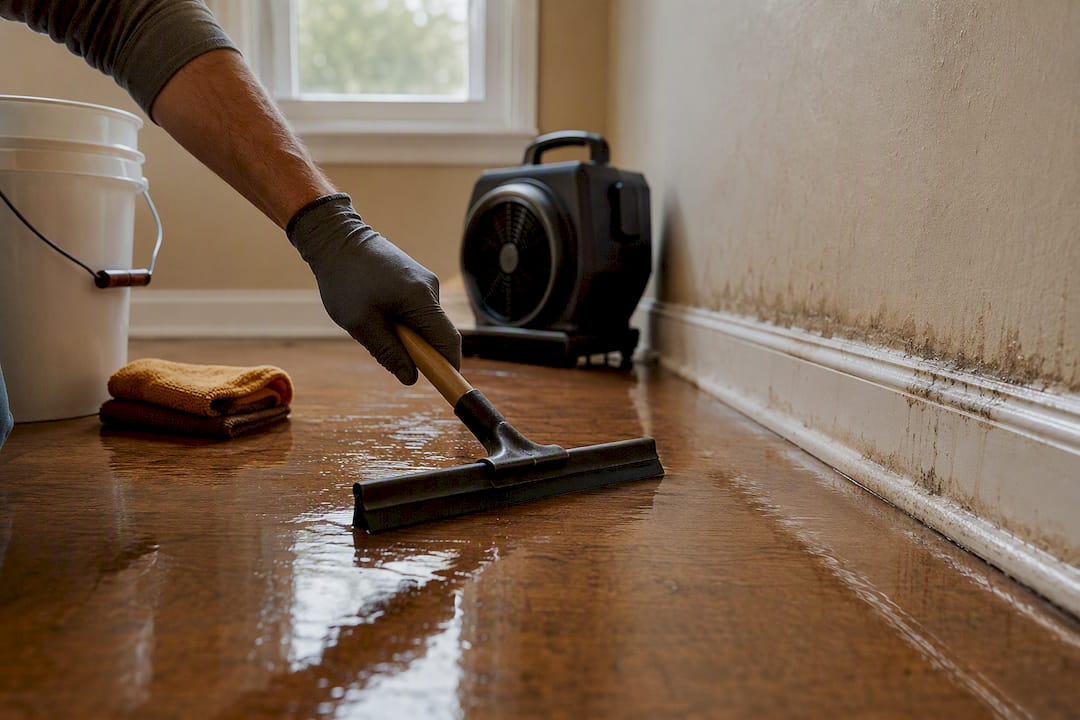
Professional restoration crews use moisture meters and thermal imaging to map exactly where water traveled, then place air movers and dehumidifiers according to the IICRC S500 standard, the industry benchmark for water damage restoration. That standard sets specific drying goals rather than just running fans until things feel dry.
While you wait for professional help, here’s what you can safely do:
- Remove wet furniture, rugs, and boxes from affected rooms
- Open windows for ventilation if outdoor air is dry and it’s safe to do so
- Avoid running your central HVAC system until a professional confirms it’s not circulating moisture or mold spores
- Keep a written log of when water entered and when you started drying efforts
How Do You Handle Downed Power Lines, Gas, and Sewage Safely?
Some hazards are simply not yours to manage. Treat every downed line as live, no matter how it looks, and call your utility company immediately rather than moving it yourself.
- Never touch, step over, or drive near a downed power line, and keep at least 35 feet of distance
- Report gas odors to your utility provider and evacuate the area until it’s cleared
- Sewage-contaminated items, carpet, drywall, insulation, usually need to be discarded, not cleaned, since porous materials trap contamination
- Homes built before the 1980s should be evaluated by a licensed abatement specialist if storm damage exposed old insulation, tile, or paint, since asbestos and lead are both possible
OSHA’s hurricane and flood cleanup resources outline these same protocols for workers, which is a useful benchmark when you’re vetting a cleanup crew’s safety practices.
How Much Does Emergency Storm Cleanup Cost?
Costs swing widely based on a few specific factors: how much debris you’re dealing with, whether heavy equipment or a crane is needed, whether hazardous materials are involved, and how urgently you need the work done. A single fallen tree resting harmlessly in a yard costs far less to clear than one that’s crushed a roof and needs careful, load-bearing removal.
Good documentation protects your wallet as much as your claim. Keep:
- Time-stamped photos and video of all damage, taken before any cleanup begins
- A written inventory of damaged belongings, with approximate values
- Receipts for emergency purchases like tarps, generators, or temporary lodging
- Notes on every action you took and when, including who you called and what they said
After a federally declared disaster, FEMA may offer limited cleanup and disaster assistance, though eligibility depends heavily on your specific situation and location. Check Disasterassistance directly to confirm what’s available and how to apply, rather than relying on secondhand information from neighbors or social media.
What Supplies Should You Have Ready for a Cleanup Crew?
Having the right supplies on hand, and a clear path for crews to work, speeds everything up and often lowers your final bill. Crews charge more for jobs that take longer because of blocked driveways or missing information.
Keep these on hand:
- Personal protection: gloves, eye protection, N95 masks, sturdy boots
- Tarps, heavy-duty contractor bags, pruning shears, a shovel, a wheelbarrow, and ratchet straps for securing loose materials
- A cleared, marked access route for trucks and equipment
- Your documentation folder, photos, insurance policy number, and any notes for the crew about hazards you’ve spotted
A Practitioner’s Take on Storm Cleanup Mistakes
The costliest mistakes are almost always the same: moving debris that should’ve been left for equipment, delaying moisture control by a day or two, or tossing damaged items before photographing them. A trustworthy crew starts with a safety walk, documents everything, stabilizes the property, and gives you a real estimate before touching a single branch.
— Roberto
Fast, Insured Debris Removal When You Need It Most
If you need debris cleared fast without gambling on an unvetted crew that showed up after the storm, consider a professional debris removal service. We handle debris removal across 18 North Atlanta cities, including downed trees, storm-snapped limbs, and yard wreckage that’s too heavy or hazardous to move yourself.
Many companies start every job with a free on-site quote within a few days, so you’re not stuck waiting a week for someone to call back while debris sits in your yard. Professional debris removal crews often carry insurance, and some offer satisfaction guarantees. If a fallen tree left a stump behind, we handle stump grinding too, so your property is genuinely landscape-ready, not just cleared. Call or request a quote online today to get a crew scheduled.
Sources
- 9 Ways to Stay Safe Cleaning Up Debris After a Disaster | FEMA
- Guidelines for cleaning safely after a disaster - CDC
- Worker safety and health resources for hurricane and flood cleanup - OSHA
- Disasterassistance
FAQ
Who Is Responsible for Cleaning Up After a Storm?
Property owners are generally responsible for cleanup on their own land, though downed power lines and public road debris fall under utility companies or local government crews.
Will FEMA Pay for Storm Cleanup?
FEMA may provide limited cleanup and disaster assistance after a federally declared disaster, but eligibility varies by situation, so check DisasterAssistance.gov directly rather than assuming coverage.
How Much Does Storm Cleanup Cost?
Cost depends on debris volume, whether heavy equipment or hazardous material removal is needed, and how urgently the work must happen, so get a written on-site quote before committing to a crew.
How Much Does Storm Cleanup Pay?
Pay for storm cleanup workers varies by role and region, from general labor rates for debris hauling to higher rates for licensed tree and restoration specialists; contractors typically quote per job rather than by the hour.
Recommended
Get a free in-person quote.
We come out, walk the property with you, and give you the number on the spot, free, no obligation, across 18 north Atlanta cities.
Call (770) 309-1050